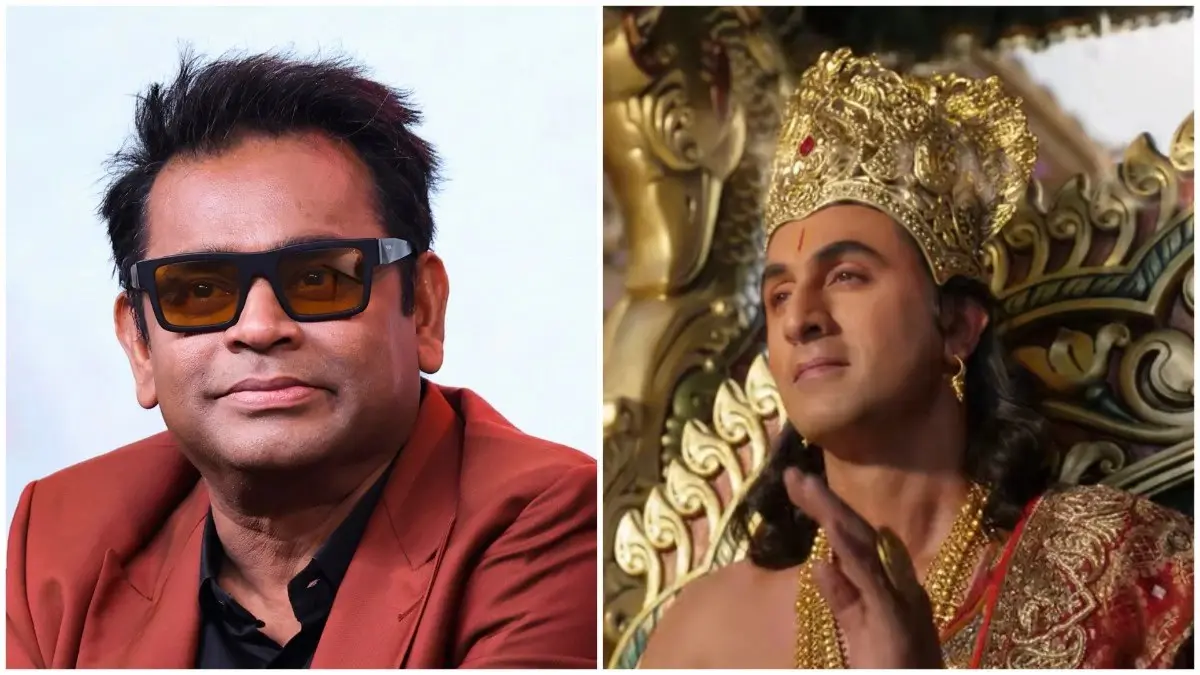
Academy Award-winning composer AR Rahman has addressed social media criticism directed at his musical compositions for the upcoming mythological film *Ramayana: Rise of a Legend*, stating that the intensive process of sound production leaves him little energy to track online discourse.
Speaking in an interview with the *Hindustan Times*, as reported by India Today, Rahman explained that tracks undergo rigorous filtration, ideation, and iterative testing before public release. In response to fluctuating public reactions, the composer emphasized his commitment to sincere creative effort rather than chasing ephemeral trends.

Critical Scrutiny of Key Tracks
The initial rollout of the soundtrack faced mixed reactions from audience segments online. The track *Ravana Tandav* faced skepticism immediately following its release, though Rahman noted that listener sentiments began shifting after repeated hearings. His son has kept him updated on the changing public discourse, noting that some critical listeners subsequently walked back their initial impressions.
Additional scrutiny surfaced around the composition *Mangal Rang*, performed by Arijit Singh and Shreya Ghoshal with lyrics penned by Kumar Vishwas. The track, which serves as the musical backdrop for the divine wedding of Lord Rama and Goddess Sita, drew public debate on digital forums. Certain listeners questioned perceived qawwali influences within the musical arrangement, questioning whether the stylistic choices aligned with the epic's historical and mythological period.
| Track Title | Lead Artists / Lyricist | Creative Context | Nature of Public Debate |
|---|---|---|---|
| *Ravana Tandav* | AR Rahman | High-energy antagonist sequence | Initial musical structure polarized early listeners before reassessment |
| *Mangal Rang* | Arijit Singh, Shreya Ghoshal, Kumar Vishwas | Sacred wedding sequence of Rama and Sita | Perceived qawwali-style arrangement vs. traditional epic expectations |

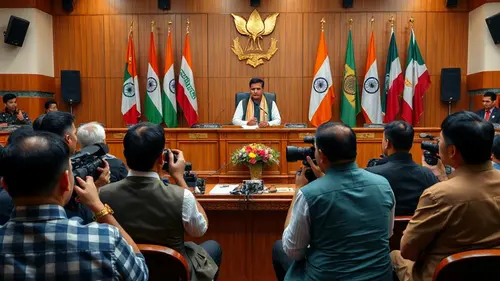
Media Backlash — verified documentary press visual.
Creative Evolution Versus Legacy Expectations
Rahman directly addressed persistent expectations from long-time fans who measure modern releases against his past defining scores, such as *Rockstar* and the Oscar-winning *Slumdog Millionaire*. Rejecting creative stagnation, Rahman asserted that artists must evolve continuously rather than relying on prior success.
"After the first 10 years, people said, 'Oh, you should do what you did in those first 10 years.' But I can't stay on old glory," Rahman stated. "You can't stagnate yourself—you have to be like a flowing river."
The composer underscored that creating music for *Ramayana* carries significant cultural weight, given the narrative's deep roots across generations of Indian households. To preserve narrative scale, the project features compositions produced across five languages, representing a massive undertaking designed to balance classical reverence with contemporary cinematic orchestrations.